The Short Answer
October through March is Ethiopia’s main dry season, and it’s the easiest window for most first-time visitors. It covers the historic route, works for trekking, and it’s when the Danakil Depression is at its most bearable.
But “best” depends more on where you’re going and what you are doing than it does in most countries this size. Ethiopia’s elevation swings from below sea level in the Danakil Depression to nearly 4,000 meters in the Simien Mountains, and that range does more to shape your trip than the calendar does. Read the breakdown below before you lock in dates.
Ethiopia’s Seasons: Three by Climate, Four by Local Custom
Most guides flatten Ethiopia into “dry season” and “wet season.” That’s not precise enough to plan a trip around. Ethiopia’s own National Meteorological Agency and the science behind actual rainfall patterns works off three seasons, and that’s the framework this guide is built on.
Meher (September – November): Ethiopia’s primary agricultural crop production cycle, spanning from September to November, during which the nation harvests over 85% to 90% of its annual food and grain supply.
Bega (roughly December – Feburary): The main dry season. Clear skies, cool nights, and the busiest months for tourism. This is also when Meskel and Timkat fall.
Belg (March – May): the short rains. Hit-or-miss depending on region, but genuinely underrated as a shoulder season if you’re flexible and price-sensitive.
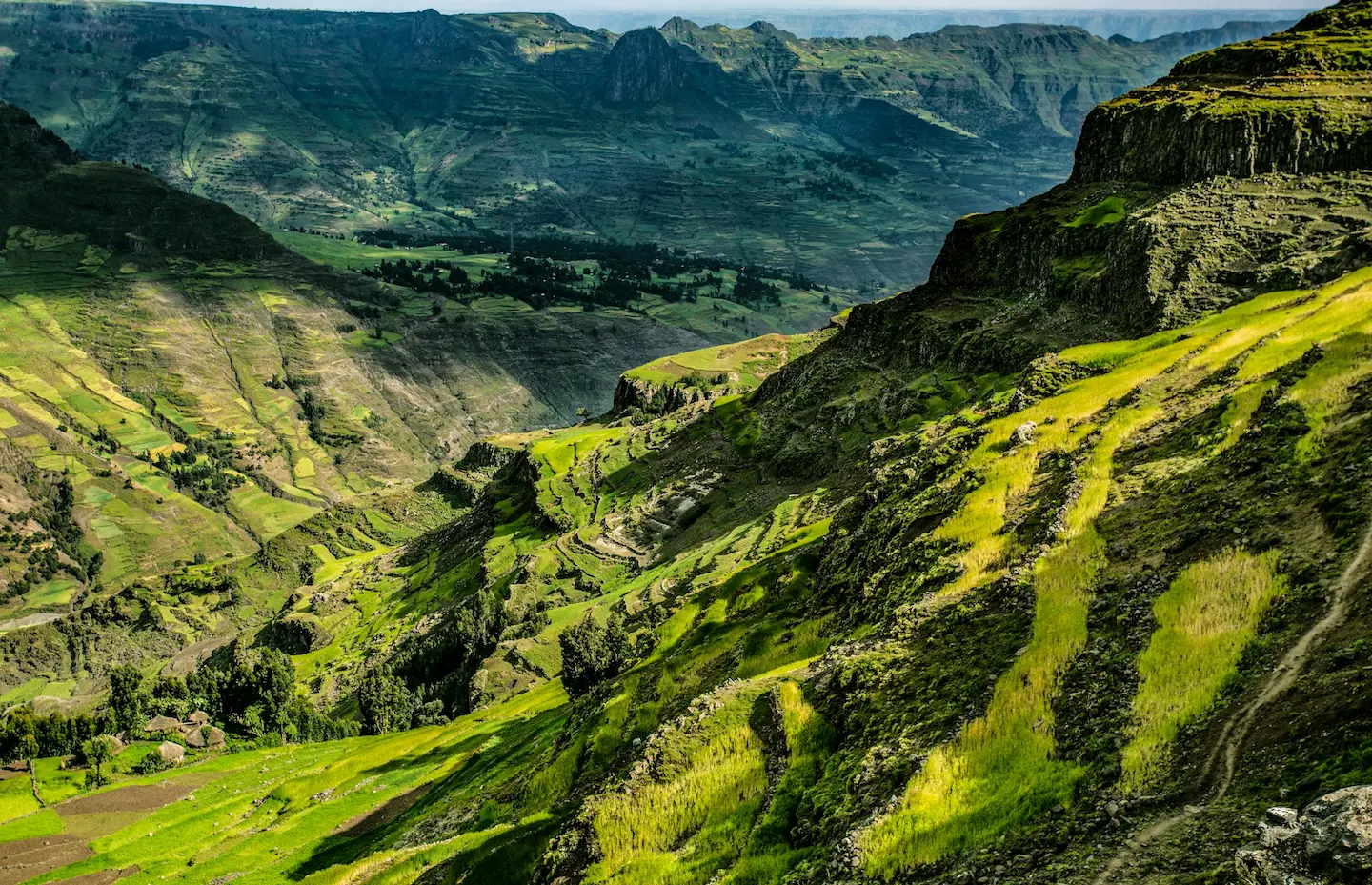
Kiremt (June – Auguest): the main rainy season, heaviest in the highlands. Not the trip most people picture, but it’s also when the Simien Mountains are at their greenest and when the rains finally break right as Meskel’s wildflowers bloom.
One more thing worth knowing before you plan around any of this: Addis Ababa sits at roughly 2,300 meters. That altitude is why “hot African country” assumptions about Ethiopia are usually wrong. The capital and most of the historic route stay mild year-round, and it’s really only the lowland regions like Danakil and parts of the Omo Valley where heat becomes a real factor.
Month-by-Month Breakdown
January
Bega season – dry, cool nights, clear days. Timket falls on January 19, and it draws real crowds to Gondar, Lalibela, and Addis. Book accommodation early if you’re timing a trip around it. Check our full Timket guide for dates and where to go. Expect prices to spike in whichever city hosts your Timkat plans.
February
Still dry, still in Bega’s tail end, with Belg’s short rains not yet arrived in most regions. A solid month for the Danakil Depression before the real heat sets in later in the year.
March
Early Belg rains start showing up in the south, while the northern highlands generally stay dry a while longer. Worth checking regional forecasts specifically if your route runs south toward Omo Valley.
April
Belg rains are more established by now. Landscapes green up noticeably, but trekking conditions get less predictable, pack for rain if Simien Mountains or Gheralta are on your route.
May
The tail end of Belg. This is a genuine shoulder-season value window that most guides skip past fewer crowds, softer pricing, and conditions that are still workable for most itineraries outside the deep highlands.
June
Kiremt begins. Heavy rain sets in across the highlands, but this is also when the Simien Mountains hit peak green – a real trade-off, not just a downside, if landscape photography matters more to you than dry trails.
July
Peak Kiremt. Be honest with yourself about this one: travel through much of the north gets genuinely difficult in July. Roads slow down, trekking conditions worsen, and this isn’t the month to build a first-time itinerary around unless you have a specific reason to be here.
August
Rains continue but start easing toward the back half of the month in some regions. Still Kiremt in practice, plan accordingly.
September
The rains taper off through the month. Meskel falls on September 27 (28 in leap years) and marks the unofficial start of the dry season’s return, one of the more visually striking festivals to time a trip around, with yellow Meskel daisies blooming across the highlands right as the rain clears.
October
Bega returns in full. This is one of the best all-around months on the calendar dry, green from the recent rains, and just ahead of peak-season pricing kicking in fully.
November
Full dry season, and the prime window for the Danakil Depression before the harshest heat of the following spring arrives. If Danakil’s on your list, this is close to the ideal month, See our 2-day vs 3-day Danakil comparison to figure out which itinerary length fits your trip.
December
Dry and cool, with Genna (Ethiopian Christmas) falling on January 7 just after – worth flagging since travelers sometimes assume it lines up with the Western date and plan around the wrong week.
Best Time by What You Want to Do
Danakil Depression: November through February, before extreme heat peaks later in the dry season. Book either the 2-day Erta Ale tour or the 3-day tour with Dallol depending on how much time you have.
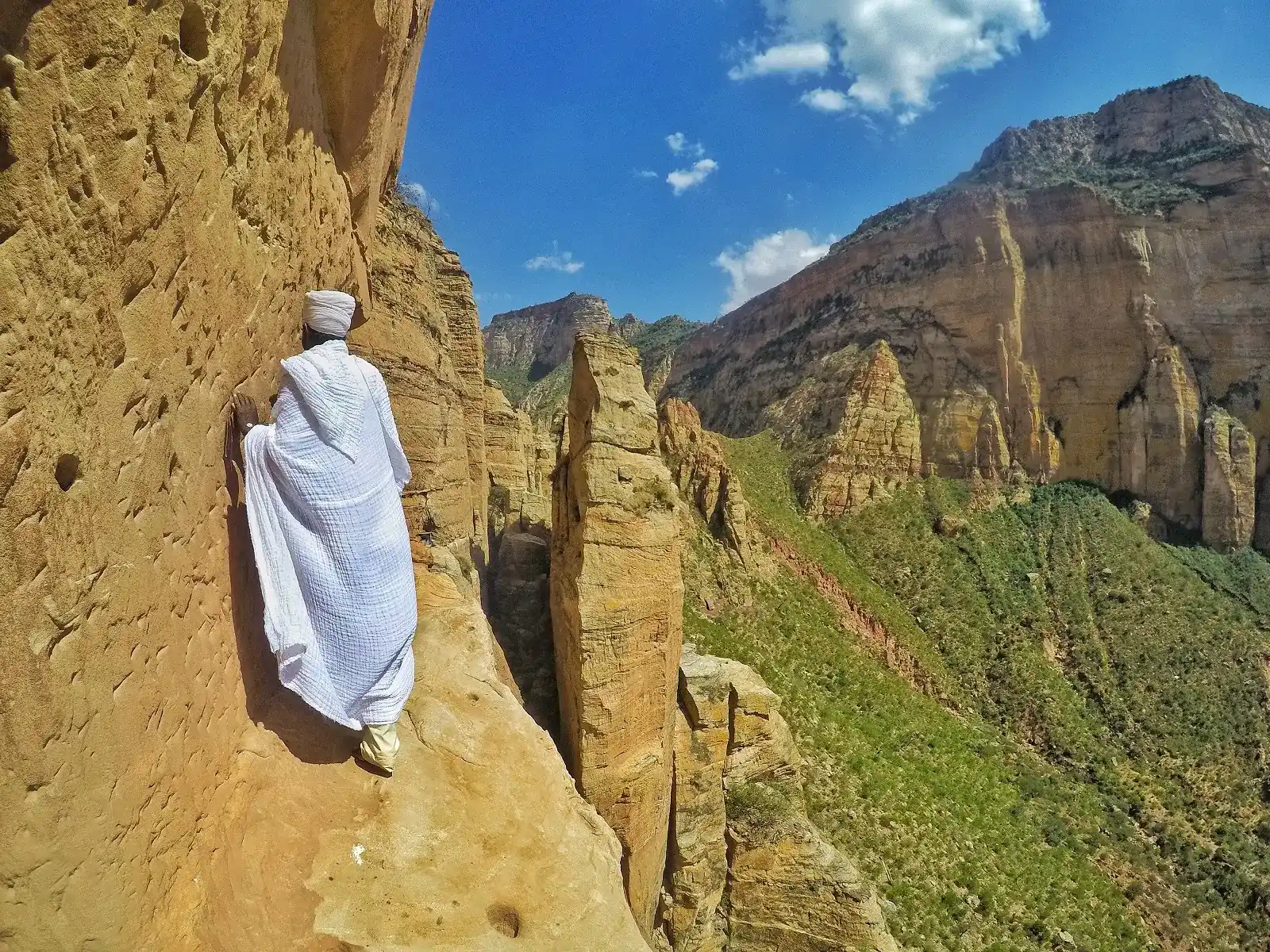
Trekking (Simien Mountains, Gheralta): October through March for reliable trail conditions. If you’re specifically chasing green-season photography over dry trails, June is the trade-off month worth considering.
Historic route and festivals: October through January covers both Meskel and Timket, making this the strongest window if festivals are part of why you’re going.
Omo Valley: Stick to the dry season (Bega) – some of the region’s roads become genuinely difficult during Kiremt, and access matters more here than almost anywhere else in the country.
Budget travel: Belg (March – May) is the honest answer most competitor guides avoid giving directly. Softer pricing, thinner crowds, and workable conditions outside the highlands.
What to Pack, By Season
Layers matter year-round because of the elevation, not because of any one season even a Bega-season trip through the highlands gets cold at night. Beyond that:
- Kiremt (Jun–Sep): real rain gear, not just a light jacket
- Bega (Oct–Jan): warm layers for early mornings, especially in the Simien Mountains or at altitude
- Any season, if Danakil’s on your route: sun protection matters more than the calendar does. The heat there is serious regardless of month.
Frequently Asked Questions
What is the rainy season in Ethiopia?
Ethiopia has two rainy periods: Kiremt, the main rains from roughly June to September, and Belg, a shorter and less predictable rainy stretch from February to May.
Can you visit Ethiopia in the rainy season?
Yes, though it depends heavily on region and month. Addis Ababa and the highlands see real disruption during peak Kiremt (July–August), but Belg's lighter rains (Feb–May) are workable for most travelers, and Kiremt itself is actually the best season for green Simien Mountains scenery.
Is Ethiopia hot or cold?
Both, depending entirely on elevation and region. Addis Ababa and the highlands stay mild year-round thanks to altitude — daytime temperatures rarely feel extreme. The Danakil Depression, by contrast, is one of the hottest inhabited places on Earth regardless of season, though it's most bearable from November to February.
What's the best month for the Danakil Depression?
November through February. The heat is genuinely more manageable in this window than later in the dry season, when temperatures climb toward their most extreme.
What's the best time to visit Addis Ababa?
Because Addis sits at roughly 2,300 meters, its temperature stays remarkably stable all year, the real factor to plan around is rain, not heat. October through May keeps you clear of the heaviest Kiremt downpours; outside that, expect afternoon rain to be a regular part of your day.
Is it safe to visit Ethiopia?
Addis Ababa and the main tourist routes are generally safe, with the usual city precautions worth following. Conditions vary by region, though, and can shift with little notice, check your own government's current travel advisory for the specific regions on your route before booking, and again closer to your travel dates.
What are the best places to visit in Ethiopia?
The short list: the Danakil Depression for otherworldly volcanic landscapes, Lalibela for its rock-hewn churches, the Simien Mountains for trekking, the Omo Valley for its tribal communities, and Gondar and Axum for the historic route's castles and ancient ruins. Most first-time itineraries combine two or three of these rather than trying to fit all of them in one trip.
Plan Your Trip Around the Right Month
Not sure which month actually fits what you want to see? Tell us your dates and what’s on your list, and we’ll build the itinerary around the season that suits it rather than the other way around.