9 Days Danakil, Lalibela and Simien Mountains Tour
Explore Ethiopia’s wildest terrains in 9 days – Danakil’s heat, Lalibela’s rock churches, Simien Mountain’s peaks. Fully guided, all logistics included..
Itinerary Details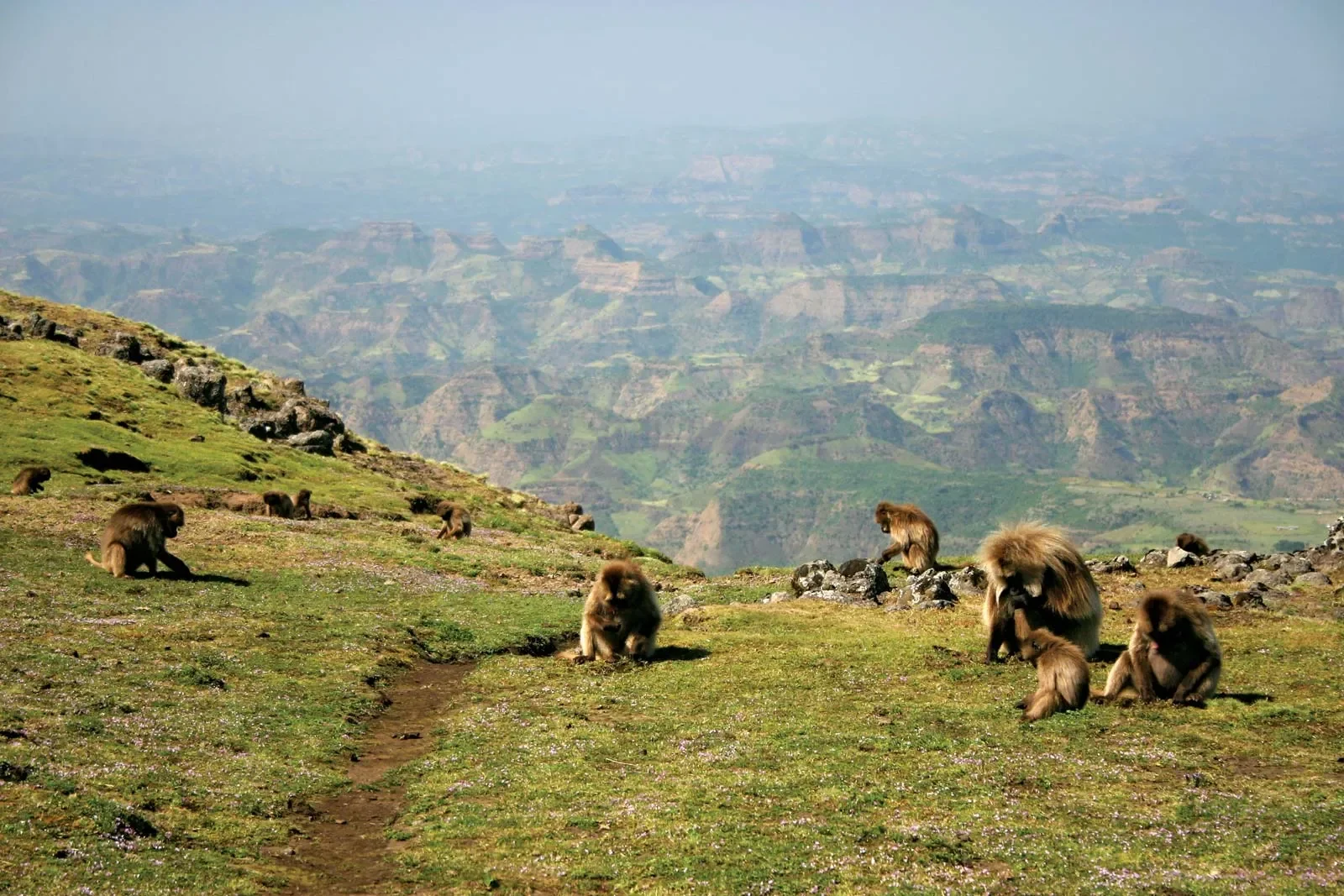
Few places on Earth combine dramatic scenery and rare wildlife quite like the Simien Mountains. Carved into Ethiopia’s northern highlands, this UNESCO World Heritage Site is home to sheer escarpments that drop thousands of feet, Afro-alpine plateaus grazed by animals found nowhere else on the planet, and Ras Dashen, Ethiopia’s highest peak. Whether you have two days or eight, here’s everything you need to plan a trek into the Simien Mountains, from permits and logistics to routes, wildlife, and cost.
Simien Mountains National Park sits about 100 kilometers north of Gondar in northern Ethiopia. Established in 1969 and inscribed as a UNESCO World Heritage Site in 1978, the park protects roughly 220 square kilometers of highland terrain that forms part of Africa’s fifth-highest mountain massif.
The landscape is what draws most visitors: jagged escarpments, deep gorges, and plateaus that plunge suddenly into valleys thousands of meters below, often compared to a African answer to the Grand Canyon. At the heart of the range is Ras Dejen, which at 4,543 meters is the highest point in Ethiopia and one of the highest peaks in Africa.
The Simien Mountains are one of the best places in the world to see species that exist nowhere else. The gelada baboon sometimes called the “bleeding-heart baboon” for the red patch on its chest lives in large grazing troops across the plateaus and is one of the most reliable wildlife sightings in the park. The walia ibex, a wild goat found only in these mountains, clings to the escarpment cliffs and is considered one of Ethiopia’s rarest large mammals. The Ethiopian wolf, one of the most endangered canid species on Earth, is occasionally spotted at higher elevations, particularly outside the rainy season.
Birdlife is rich as well, with over 50 recorded species including the lammergeier, a huge bearded vulture often seen riding thermals along the cliff edges.
Beyond the wildlife, the terrain itself shifts dramatically with altitude from grassy plateaus and giant lobelia plants near Sankaber and Geech to the exposed, rocky ridgelines approaching Ras Dejen. Sudden weather changes are common at altitude, so layered clothing matters even in the dry season.
The dry season, roughly October through March, is the best time to trek. Trails are firmer, visibility across the escarpments is at its best, and river crossings are manageable. Nights are cold at altitude year-round, often dropping near or below freezing at the higher campsites, regardless of season.
The wet season, May through September, brings lush green scenery but also mud, slippery trails, and reduced visibility on some of the best viewpoints, a few routes become more difficult or are avoided altogether during the heaviest rains.
If seeing an Ethiopian wolf is a priority, November through January tends to offer the best odds, as the animals are more visible in the drier, cooler months.
Most trips start with a flight from Addis Ababa to Gondar, followed by a road transfer of roughly 100 kilometers (about two to three hours) to Debark, the small town that serves as the park’s main gateway. Debark is also where park headquarters, permits, and guides are arranged.
Entry into Simien Mountains National Park requires an entrance permit and a mandatory armed park scout, both arranged at the Debark park office. Hiring an English-speaking guide is optional but strongly recommended. Most independent trekkers and every organized tour bring one, both for safety and for the local knowledge a guide adds to the trek.
Fees for entry, scouts, and guides are set by the park authority and have changed over time, so treat any number you read online as a rough guide rather than a fixed price, confirm current rates directly with the Debark park office or a licensed operator before you travel.
For visitors short on time, a one- to three-day route covering Debark, Sankaber, and Geech offers a solid introduction to the park’s escarpment views and gelada baboon sightings without the commitment of a longer expedition. Simien Lodge, near Buyit Ras, makes it possible to experience the park’s high plateau even on a very short visit.
The full classic route runs from Debark through Sankaber, Geech, and Chenek, with the option to continue to Ambiko and summit Ras Dejen on an eight-day itinerary. This route takes in the park’s best-known viewpoints, including Imet Gogo, and offers the highest odds of spotting walia ibex near Chenek.
Because nights at altitude are cold even in the dry season, warm layers are essential regardless of when you go. A solid pair of broken-in hiking boots, a way to treat or filter water, a sleeping bag rated for near-freezing temperatures (even if a tour supplies a tent), and sun protection for high-altitude daytime exposure round out the essentials.
Most multi-day treks rely on community campsites along the route, typically basic but well-located, with toilet facilities and sometimes small shops for snacks and drinks. Simien Lodge, near the park’s edge, is the only upscale option and a good base for shorter visits or a comfortable night before or after a longer trek. Most travelers use Gondar as their pre- and post-trek base, given its flight connections and range of hotels.
A rough day-to-day trekking budget typically covers park entrance fees, the mandatory scout, an optional guide, a mule or porter for gear, and meals. Costs that add up differently depending on group size and whether you book independently in Debark or through a tour operator. Independent trekking is generally the cheaper route, though it requires more time arranging logistics on arrival; a pre-booked tour trades some of that savings for convenience and fixed planning.
For context, multi-day high-altitude trekking in the Simien Mountains tends to be considerably less expensive than comparable treks in ranges like the Himalayas, but exact costs shift often enough that it’s worth getting a current quote from a licensed operator or checking directly with the Debark park office rather than relying on older published figures.
Simien Mountains National Park packs rare wildlife, dramatic escarpment scenery, and one of Africa’s highest peaks into a trek that’s more accessible and often more affordable than many people expect. Whether you have a couple of days for a taste of the plateau or a week to summit Ras Dejen, planning around the dry season, sorting permits early in Debark, and packing for cold nights at altitude will set you up for a smooth trip.
Book our 3 Day Simien Mountains Trekking and embark on a 3-day adventure through the park, with all camping equipment and meals included.
Explore Ethiopia’s wildest terrains in 9 days – Danakil’s heat, Lalibela’s rock churches, Simien Mountain’s peaks. Fully guided, all logistics included..
Itinerary DetailsFor trekking enthusiast experiencing Danakil depression offers an otherworldly experience that looks straight out of a sci-fi movie. .
Itinerary Details
Trek 3 days in the majestic Simien Mountains, dramatic vistas, endemic wildlife & alpine camps. Book your adventure now!.
Itinerary Details
Dating back to the previous millennium, the beautiful city of Harar is one of the oldest cities in Ethiopia. Located on the border of….
Learn More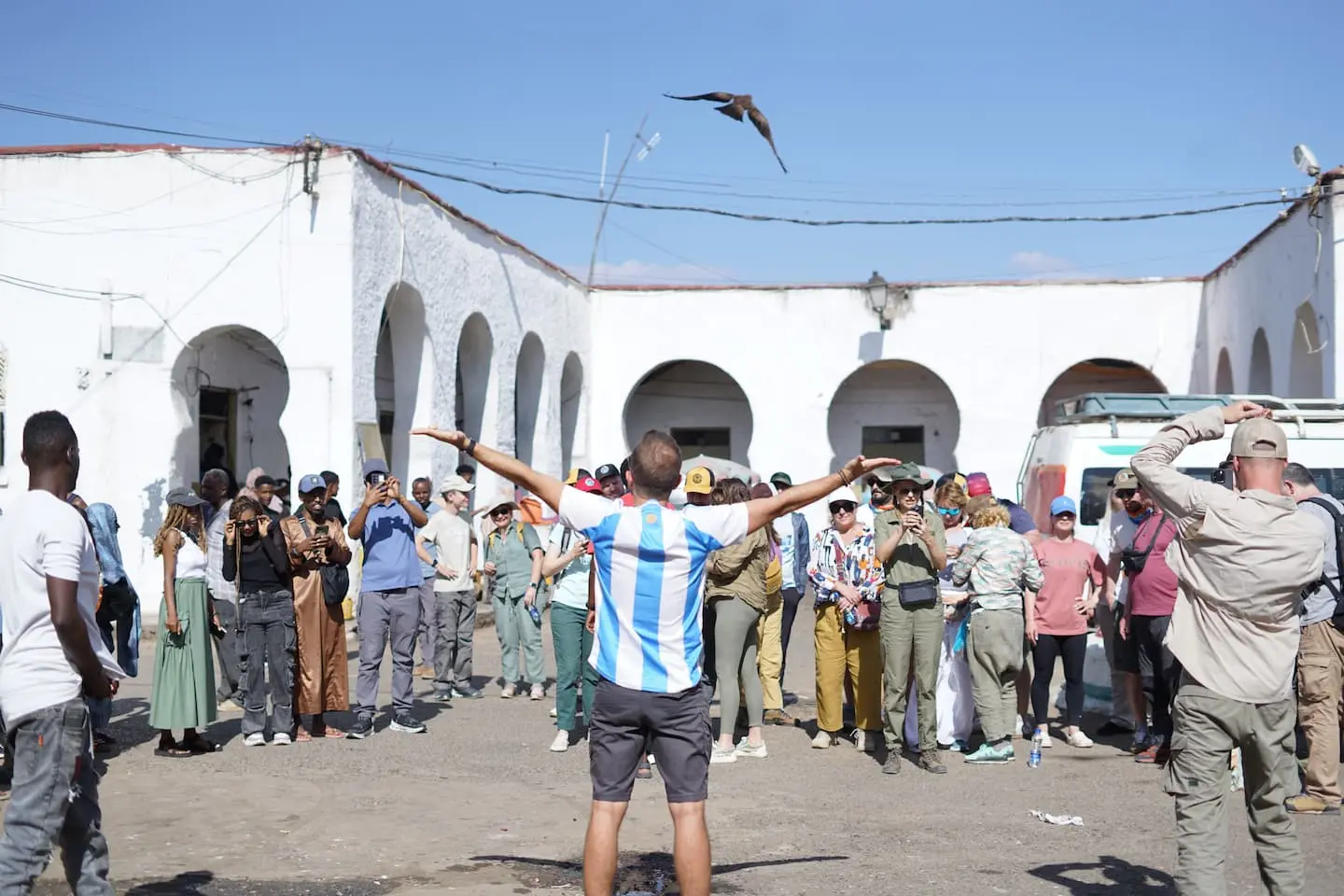
The Omo Valley, often more precisely called the Lower Omo Valley, is a place like no other. Home to a number of tribal communities,….
Learn More
A place of faith, festivals, mystery and legends that will engage your heart as much as your mind. Atop wide valleys and weather-gouged escarpments,….
Learn More
Free itinerary consultation – no obligation, typically a reply within 3 minutes.