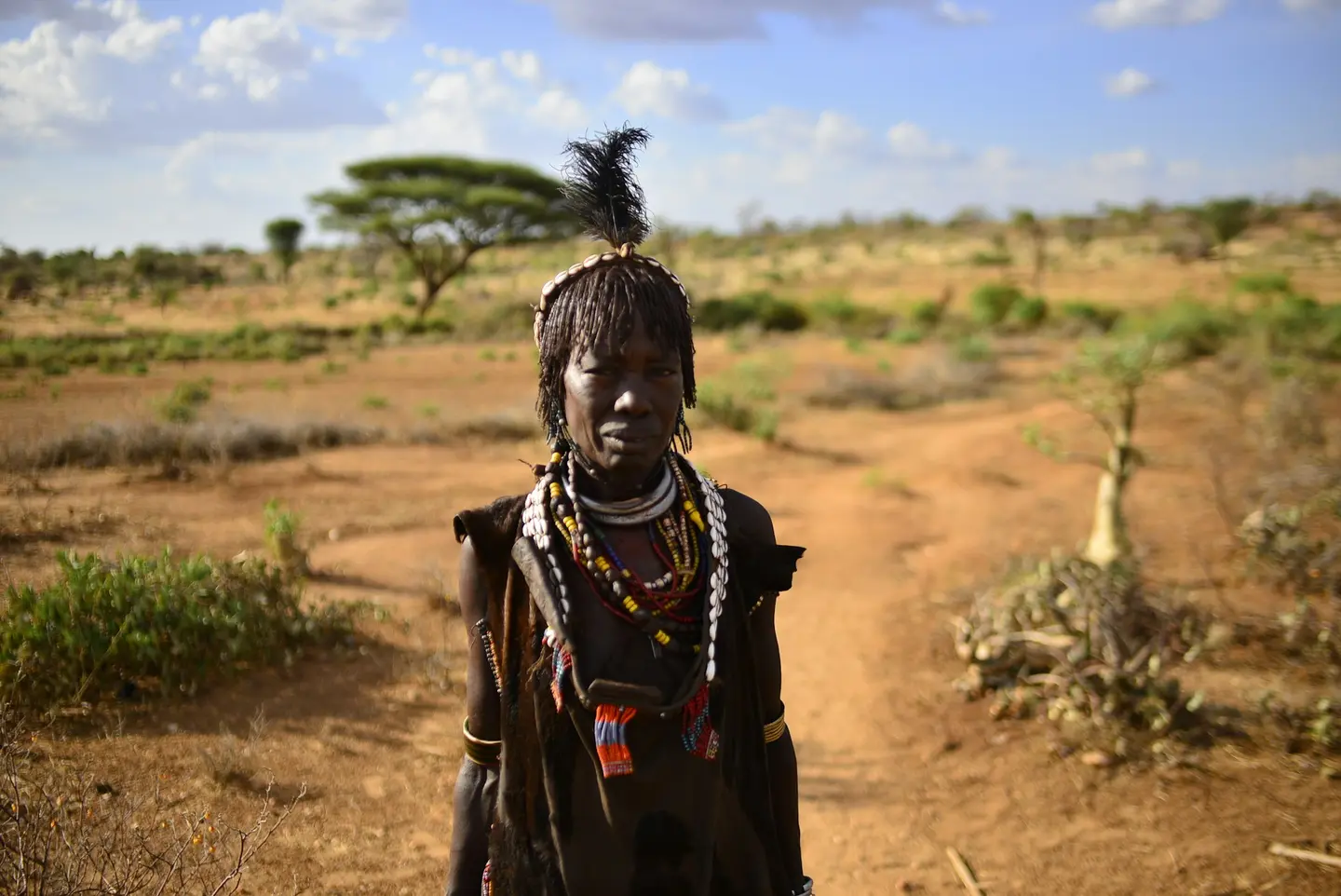
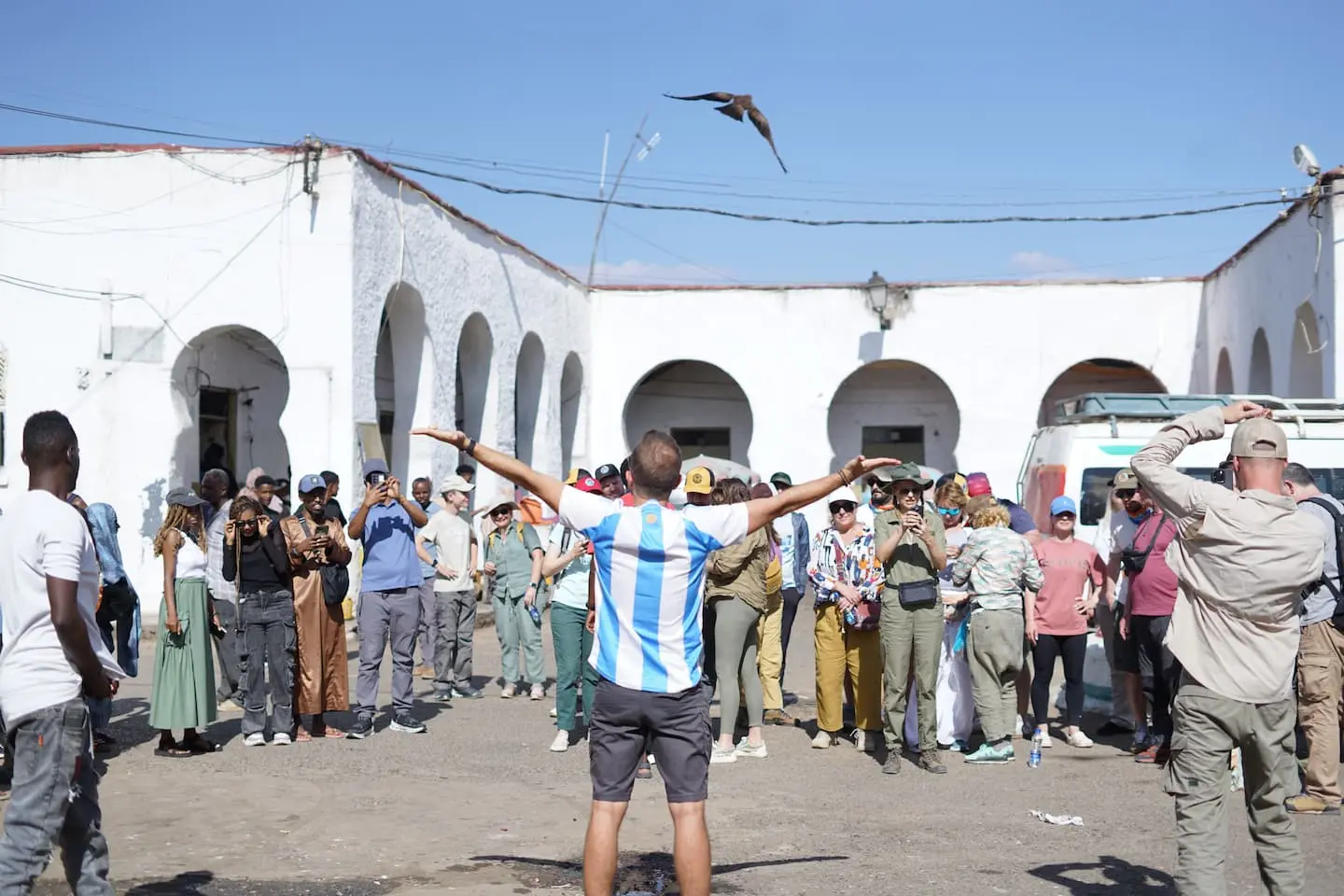
Perched at over 2,355 meters above sea level, Addis Ababa is one of the highest capital cities in the world and one of the most underrated. As the diplomatic heart of Africa and home to the African Union, Ethiopia’s capital blends fast-growing skyscrapers with centuries-old churches, sprawling markets, and some of the best coffee on the planet. For most travelers, it’s also the first stop before heading out to Ethiopia’s rock-hewn churches, national parks, or the otherworldly Danakil Depression.
This Addis Ababa travel guide walks through the top things to do, when to visit, where to stay, how to get around, and the practical details that make a first trip smoother. Whether you have a single layover day or a full week, here’s what to know before you go.
Why Visit Addis Ababa
Addis Ababa isn’t a city most travelers put at the top of their Africa bucket list, but it rewards those who give it a chance. It’s a place where ancient Orthodox Christian tradition sits a few blocks from gleaming new office towers, and where a 3-million-year-old human ancestor and a modern light rail system share the same city.
Because of its elevation, Addis Ababa also enjoys a remarkably mild, spring-like climate all year, a welcome surprise for anyone expecting typical equatorial heat. Add in warm hospitality, an outstanding food and coffee scene, and relatively affordable prices, and it’s easy to see why more travelers are spending a few extra days here rather than just passing through.
Best Time to Visit Addis Ababa
Addis Ababa’s high elevation keeps temperatures pleasant throughout the year, so there’s no strict “bad” season weather-wise. That said, timing still matters:
- Dry season (October to May): This is generally the most popular window to visit. Skies are clearer, streets are easier to navigate, and it lines up well with side trips to other parts of the country.
- Rainy season (June to September): Expect regular afternoon showers, especially in July and August. It’s still workable for a city visit, just pack a light rain jacket and expect some muddy patches outside the paved center.
If you can time your trip around a festival, do it. Timkat (Ethiopian Epiphany, mid-January) and Meskel (the Finding of the True Cross, late September) both bring vibrant processions and celebrations to the city. Enkutatash, the Ethiopian New Year in September, is another great time to experience local culture firsthand.
Top Things to Do in Addis Ababa
Historical and Cultural Sites
Addis Ababa’s museums and landmarks pack in an outsized amount of history for a city its age.
- National Museum of Ethiopia: This is where you’ll find “Lucy,” the famous 3.2-million-year-old hominid fossil, along with a broader look at Ethiopia’s ancient and imperial history. It’s a must for first-time visitors and doesn’t take more than an hour or two to see properly.
- Holy Trinity Cathedral: One of the most important Ethiopian Orthodox churches in the country, and the burial site of Emperor Haile Selassie. The architecture and stained glass alone are worth the visit.
- Unity Park and the National Palace: Set within the grounds of the former imperial palace, this park mixes restored historical buildings with gardens and a small zoo, offering a window into Ethiopia’s royal past.
- Red Terror Martyrs’ Memorial Museum: A sobering but important stop for understanding Ethiopia’s more recent political history under the Derg regime.
Markets and Local Life
- Mercato – Reputed to be one of the largest open-air markets in Africa, Mercato is sensory overload in the best way: spices, textiles, coffee, electronics, and everyday goods all packed into a maze of stalls. It’s an incredible place to see everyday Ethiopian life, but keep valuables minimal and stay aware of your surroundings, as pickpocketing can be an issue in the busiest lanes.
- Piassa and the Post Office area – A more relaxed alternative for shopping, with vendors selling gold, silver, leather goods, and traditional Ethiopian clothing like the woven habesha kemis.
Nature and Views
- Entoto Park and Mount Entoto – Sitting at the highest point overlooking the city, Entoto offers hiking trails, a zipline, a rope course, and sweeping panoramic views of Addis Ababa below. It’s a great half-day escape from the noise of downtown, and also home to one of Ethiopia’s oldest churches, Entoto Maryam.
Food and Cultural Experiences
- Traditional restaurants with live cultural performances – Several restaurants around the city pair a classic Ethiopian meal calledk injera with an assortment of stews, or wats with live traditional music and dance. It’s touristy in the best sense: a genuinely fun, immersive introduction to Ethiopian culture.
- The Ethiopian coffee ceremony – Ethiopia is widely considered the birthplace of coffee, and the coffee ceremony (roasting beans over hot coals, grinding them by hand, and brewing multiple rounds) is a cultural ritual as much as a drink. Try to experience one during your stay, whether at a restaurant or a local home.
Where to Stay in Addis Ababa
Addis Ababa’s neighborhoods each offer a slightly different base for your trip:
- Bole: The area around Bole International Airport, popular with business travelers and known for its concentration of hotels, restaurants, and shopping malls. Convenient if you have an early flight or a short stay.
- Piassa: The city’s historic core, ideal if you want to be near landmarks like Holy Trinity Cathedral and enjoy an old-town atmosphere.
- Kazanchis: A central, well-connected area close to many government buildings and the UN Economic Commission for Africa, with a good mix of accommodation options.
Options range from budget guesthouses to international luxury chains, so pick based on proximity to the sights you care about most rather than assuming one neighborhood is objectively “best.”
Getting Around Addis Ababa
- From the airport: Bole International Airport is the main gateway, and most hotels can arrange pickup. Ride-hailing apps are also widely used and generally a reliable, affordable option.
- Within the city: Ride-hailing apps and taxis are the easiest way to get around for visitors unfamiliar with local bus routes. The Addis Ababa Light Rail is a cheap and efficient option if your route lines up with it, and riding it is also a fun way to see a cross-section of the city.
- Traffic: Like many fast-growing capitals, Addis Ababa can have heavy traffic during peak hours, so build in extra time when planning your day.
Suggested Itinerary
A simple two-to-three-day structure to hit the highlights without rushing:
- Day 1: History and Culture – Start at the National Museum of Ethiopia, then head to Holy Trinity Cathedral and Unity Park in the afternoon. In the evening, book a traditional restaurant with live music for dinner.
- Day 2: Markets and Shopping – Spend the morning exploring Mercato with a local guide (recommended for first-timers), then shift to Piassa in the afternoon for more relaxed shopping and a coffee ceremony.
- Day 3: Nature and Views – Head up to Entoto Park for hiking, the zipline, or simply the views over the city. Round out the day with a relaxed dinner back in Bole or Kazanchis before departing or continuing on to other parts of Ethiopia.
Practical Travel Tips
- Visa: Many nationalities can apply for an Ethiopian e-visa online before arrival. Requirements and eligible countries can change, so confirm the current process directly through the official government portal before you travel.
- Currency: The Ethiopian birr (ETB) is the local currency. Cards are increasingly accepted in hotels and larger restaurants, but it’s worth carrying cash for markets, small vendors, and taxis.
- Safety: Addis Ababa is generally welcoming to tourists, but use standard city precautions, keep valuables secure, especially in crowded areas like Mercato, and check current travel advisories before your trip.
- Language: Amharic is the official language, but English is commonly spoken in hotels, airports, and tourist-facing businesses.
- Altitude: At over 2,300 meters, some travelers may notice mild effects like shortness of breath or fatigue in the first day or two. Staying hydrated and pacing your first day helps most people adjust quickly.
Final Thoughts
Addis Ababa rewards travelers who slow down long enough to explore beyond the airport. Between ancient churches, sprawling markets, world-class coffee, and sweeping mountain views from Entoto, it’s a capital city with far more depth than its reputation suggests. Use this Addis Ababa travel guide as your starting point, and consider pairing your visit with a wider look at Ethiopia’s historic north or its dramatic natural landscapes further afield.